

- News
A monthly wrap-up of news worth knowing
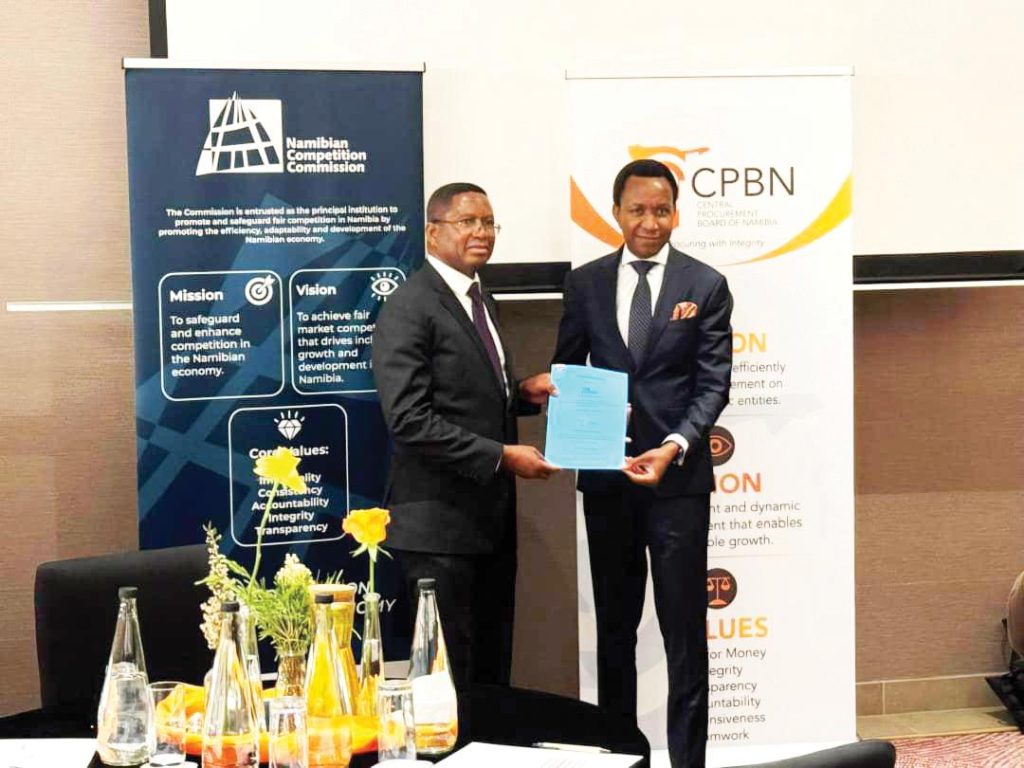
NACC, CPBN STEP UP FIGHT AGAINST TENDER RIGGING AND PRICE FIXING
The Namibian Competition Commission (NaCC) and Central Procurement Board of Namibia (CPBN) have signed a Memorandum of Understanding (MoU) to strengthen the detection and prevention of anti-competitive practices in government procurement. The agreement targets bid rigging, price fixing, market allocation, abuse of dominance and technical specifications designed to favour specific bidders.
The partnership allows the institutions to share complaints, information and intelligence, within legal requirements, while jointly analysing supplier behaviour and market dynamics. They will also conduct research, training, secondments and knowledge-sharing initiatives to improve officials’ ability to identify collusion and other competition violations.
A Joint Working Committee will oversee implementation, monitor progress and identify emerging risks. Both organisations emphasised that cooperation is necessary because procurement legislation alone may not prevent collusive behaviour. The agreement supports the National Competition Policy 2020–2025 and aims to promote fair competition, protect public procurement integrity and improve value for taxpayers, without compromising either institution’s statutory independence.
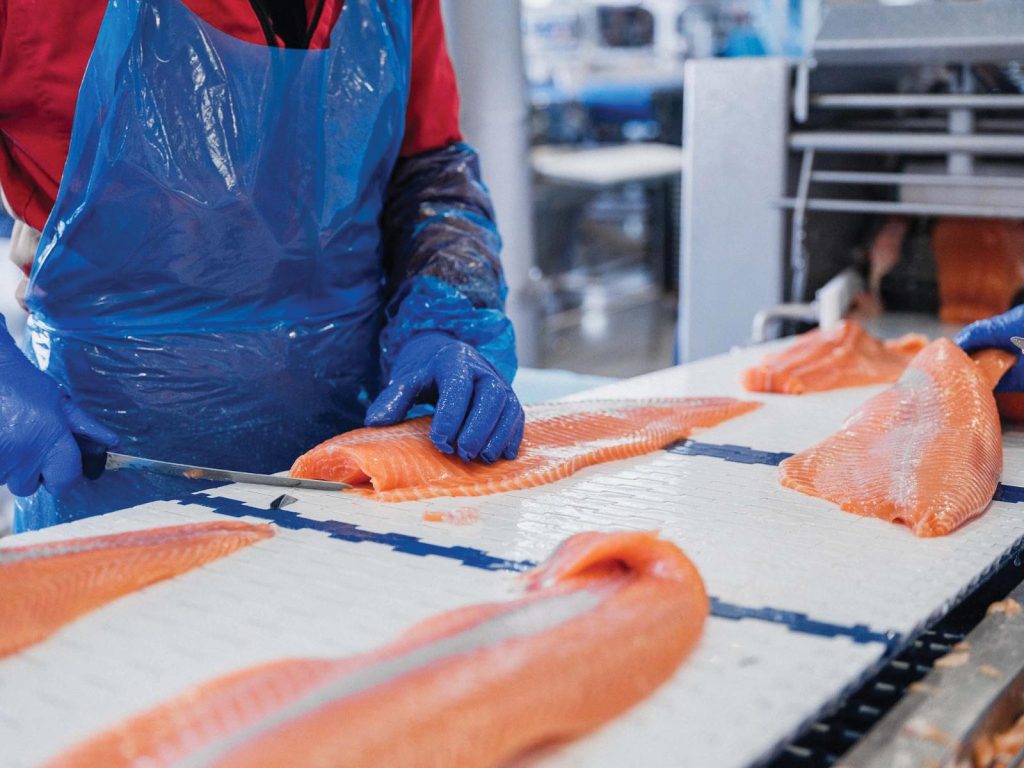
AAC PLANS TO USE EXISTING NAMIBIAN FISH PROCESSING FACILITIES FOR SALMON PRODUCTION
African Aquaculture Company (AAC) plans to establish a 51,000-tonne Atlantic salmon farming operation near Lüderitz, using existing fish-processing facilities in Lüderitz and Walvis Bay rather than initially building its own. The company has secured licences for three coastal sites and considers Namibia’s cold Benguela Current suitable for salmon farming. External experts have assessed environmental and operational risks, including waves, currents, oxygen, algae and seals, and believe the targeted production is achievable. AAC expects the project to create employment, generate tax revenue and expand Namibia’s seafood value chain. The company is also encouraged by Namibia’s political stability and investment environment, while growing global demand for farmed salmon presents a significant market opportunity.
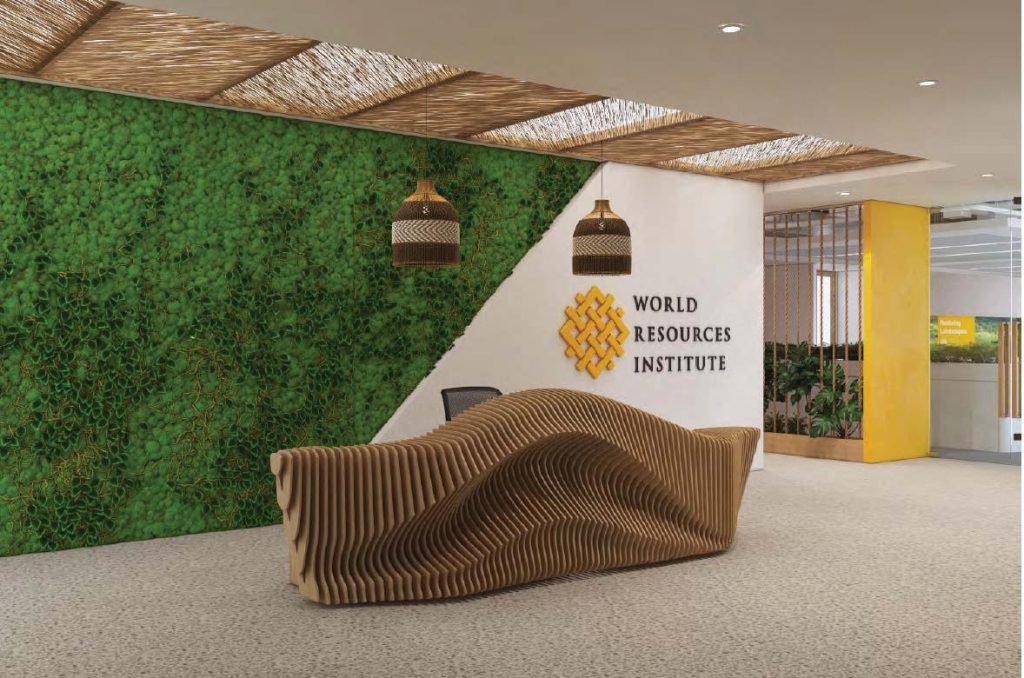
NAMIBIA RANKS SECOND GLOBALLY FOR RENEWABLE ENERGY GROWTH
The Namibia has been ranked the world’s second-fastest-growing renewable energy market, according to an August 2026 analysis by the World Resources Institute (WRI). The country has increased solar generation from virtually zero to more than one-third of domestic electricity generation within a decade, driven by efforts to reduce costly reliance on electricity imports and improve energy security. Namibia’s exceptional solar resources, including around 300 days of strong sunlight annually, have supported rapid expansion. Competitive auctions have also produced some of Africa’s lowest solar power prices, while local ownership requirements have increased Namibian participation. WRI estimates Namibia has achieved about three-quarters of the annual solar and wind growth rate required globally between 2025 and 2030. However, the institute cautions that Namibia must maintain rapid investment as electricity demand grows. Globally, solar and wind generated 17.4% of electricity in 2025, but their share must rise substantially by 2030 to support net-zero emissions goals.
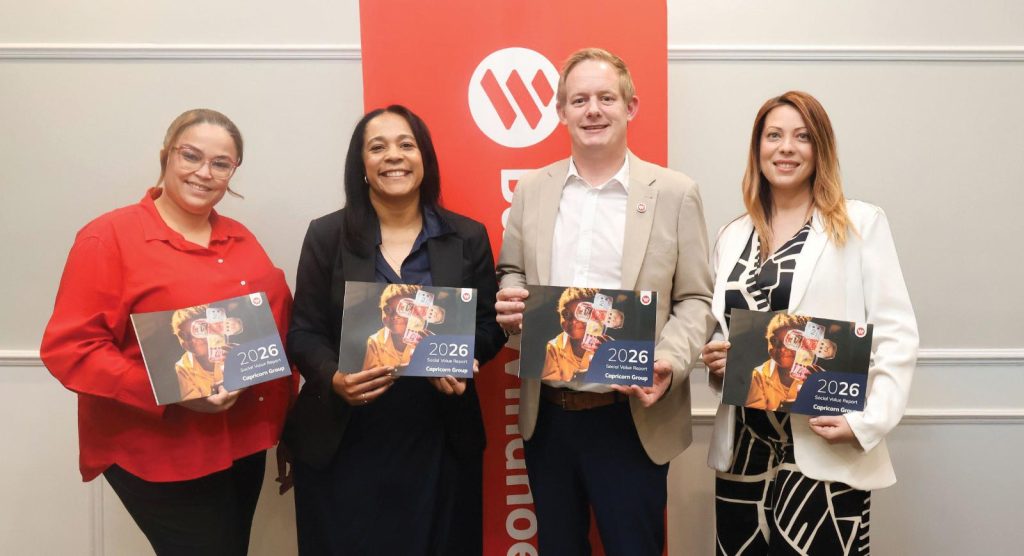
CAPRICORN FOUNDATION INVESTS N$57.8M IN NAMIBIAN COMMUNITIES OVER SIX YEARS
The Capricorn Foundation has invested N$57.8 million in community initiatives across Namibia over six years, including approximately N$14.1 million during the 2026 financial year. Its focus areas include education and training, vulnerability, economic advancement, health and sustainability, with education receiving the largest share at N$21.9 million. The Foundation currently supports 41 projects across 120 touchpoints nationwide and plans to deepen its focus on early childhood development, food security, vocational skills and economic advancement towards 2030. Meanwhile, Bank Windhoek invested more than N$21 million in social and community initiatives during its latest financial year, including N$9.65 million in direct CSI and sponsorships and N$11.87 million through the Foundation. Key initiatives included cancer support, teacher development, school feeding, agricultural training and youth development. Both organisations emphasise measurable, sustainable long-term impact and strengthening communities’ ability to participate meaningfully in Namibia’s economy.
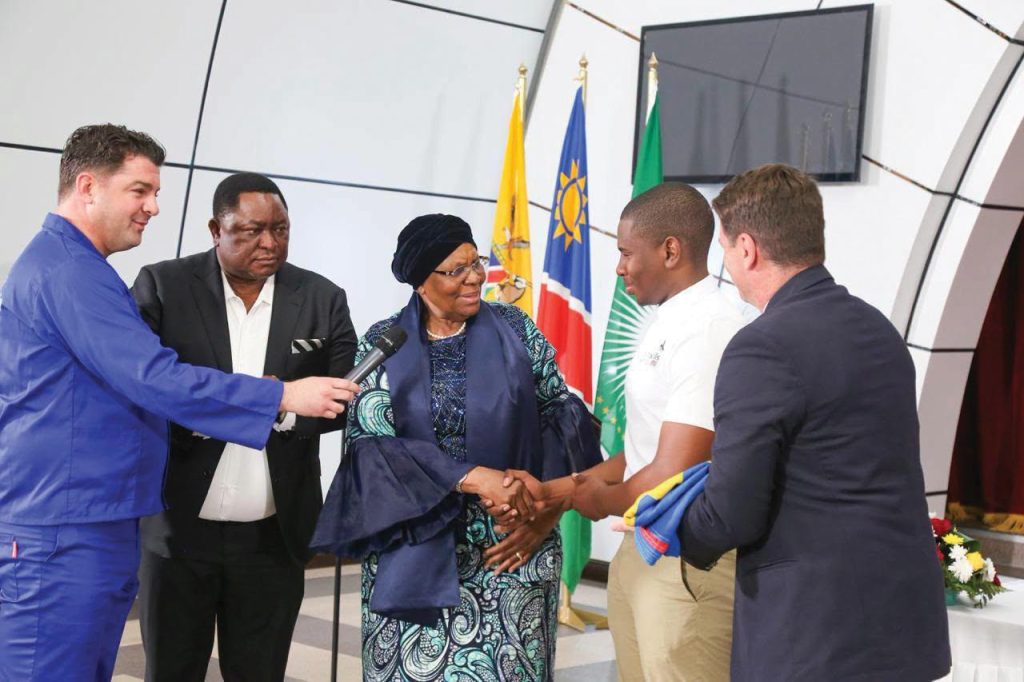
NANDI-NDAITWAH CALLS FOR REGULAR SKILLS AUDITS TO CLOSE NAMIBIA’S WORKFORCE GAPS
President Netumbo Nandi-Ndaitwah has called for regular skills audits and labour market assessments to ensure Namibia’s workforce is prepared for emerging industries, including oil and gas, green hydrogen, renewable energy, advanced manufacturing and digital technology. She stressed that the country’s ability to benefit from these sectors depends on developing workers with specialised, adaptable and globally competitive skills. Nandi-Ndaitwah identified Technical and Vocational Education and Training (TVET) institutions as central to Namibia’s economic transformation and said government is committed to strengthening practical and technical training in line with changing labour market needs. Speaking at the send-off of 17 Namibian competitors to the WorldSkills Shanghai 2026 competition, she encouraged them to learn from international peers, adopt global best practices and bring new knowledge and technologies back to Namibia. She also urged institutions to address skills shortages in line with Vision 2030 and the Sixth National Development Plan.


