Agriculture at the heart of Namibia’s development agenda
The agriculture sector remains one of the most important pillars of Namibia’s economy, supporting livelihoods, creating employment and contributing to national food security. Despite the country’s arid climate and recurring droughts, the sector continues to play a crucial role in sustaining rural communities and driving economic growth.
The importance of agriculture extends beyond food production. The sector serves as a major source of income for thousands of households, particularly in rural areas where farming and livestock rearing are often the primary means of survival. Agriculture also supports industries such as food processing, transport, retail and exports, creating opportunities throughout the value chain.
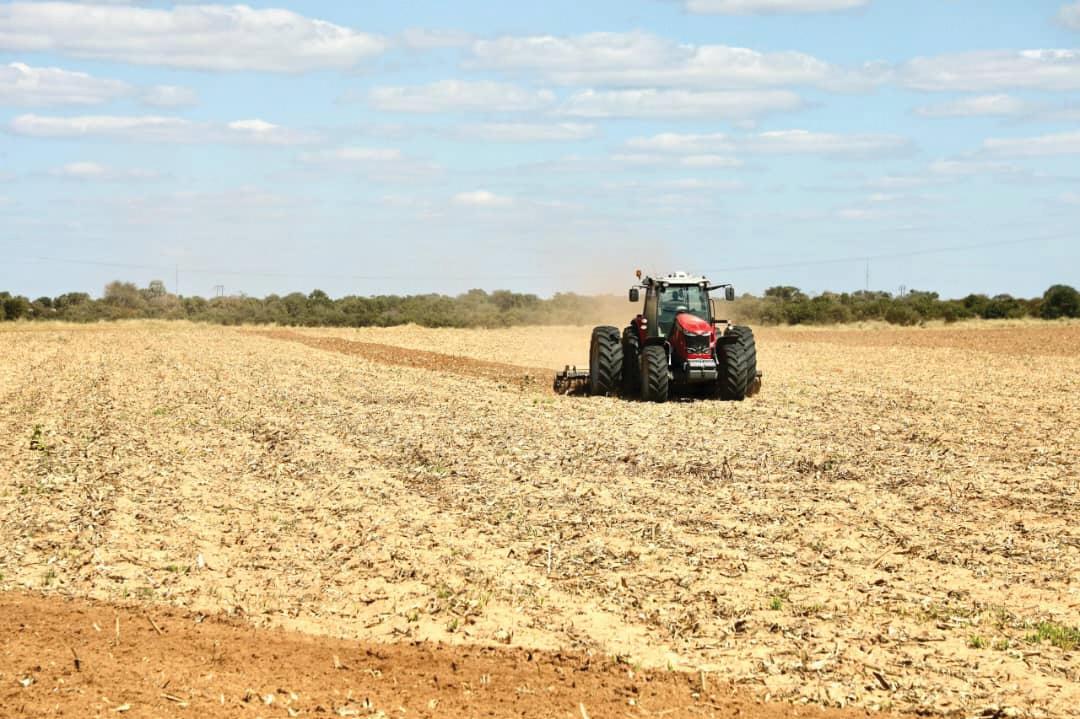
Food security has become a national imperative as global supply chain disruptions, climate change and rising food prices continue to affect countries around the world. The government’s focus is therefore on empowering farmers through improved access to financing, modern farming technologies, irrigation infrastructure, extension services and agricultural markets. Particular attention is being given to green schemes, crop production projects and the development of climate-resilient agricultural practices that can withstand Namibia’s challenging environmental conditions.
Green Schemes
As Namibia pursues its vision of inclusive and sustainable growth, agriculture is expected to remain at the centre of national development efforts. President Netumbo Nandi-Ndaitwah recently undertook a comprehensive tour of major agricultural projects in regions such as Omusati, Ohangwena, Kavango West and Kavango East, assessing production levels and engaging farmers and management teams to identify opportunities to strengthen agricultural output. The visits formed part of the government’s broader strategy to reduce Namibia’s dependence on imported food, improve rural livelihoods, create employment opportunities and advance national food security.
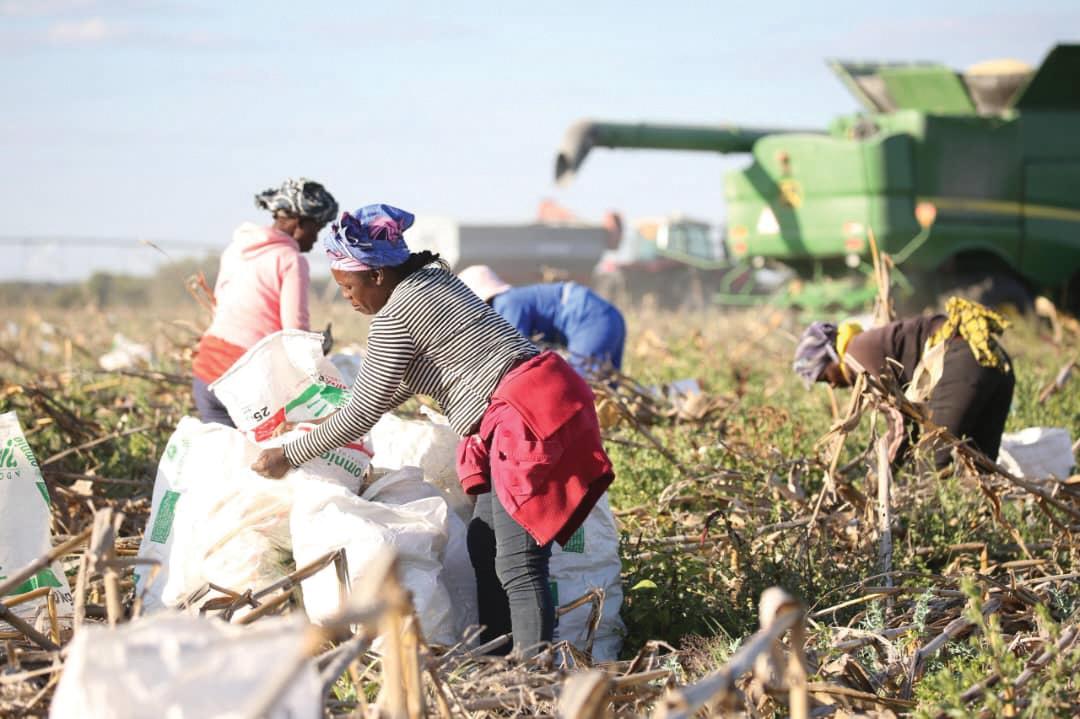
One of the most significant highlights of the tour was the visit to the Ndonga Linena Green Scheme in the Kavango East Region, where management reported a projected maize harvest of approximately 4,754 tonnes from 574 hectares under cultivation.
The expected harvest represents a substantial increase from the previous season and positions the scheme as the largest contributor within the Green Scheme Programme for the 2025/2026 summer cropping season. Preparations for the winter cropping season are already underway, with wheat and oats planted using revenue generated by the farm itself. This development reflects growing financial sustainability within the project and demonstrates the potential of green schemes to become self-supporting contributors to national food production. However, challenges relating to transportation costs and access to reliable markets for maize continue to require attention, according to the farm manager, Janno Rentel.
Further positive developments were observed at the Shadikongoro Green Scheme, where improved production levels have been recorded with the successful completion of its sunflower harvest and a strong maize harvest expected in the coming weeks. Plans to diversify production through watermelon, pumpkin, cabbage and butternut cultivation are also expected to further enhance food production and market opportunities.
At the Uvhungu-Vhungu Green Scheme, the first-time achievement of full land utilisation marks a significant milestone in efforts to maximise agricultural productivity. Through the production of maize, wheat and horticultural crops, the project continues to contribute to food security, employment creation and the empowerment of small-scale farmers.
The Sikondo Green Scheme in the Kavango West Region remains a strategic component of Namibia’s agricultural development agenda. Situated along the Kavango River, the irrigation project supports the cultivation of maize, potatoes and garlic, while contributing to rural economic growth, job creation and food self-sufficiency.
In the Ohangwena Region, the Ekoka Brownfield Green Scheme has strengthened its production capacity through investments in infrastructure, including perimeter fencing, boreholes and irrigation systems. The successful cultivation of mahangu, maize, cowpeas and sorghum further demonstrates the project’s growing contribution to local food production. The scheme also provides valuable employment opportunities, particularly for young people, whose participation is considered essential for the long-term sustainability of the agricultural sector.
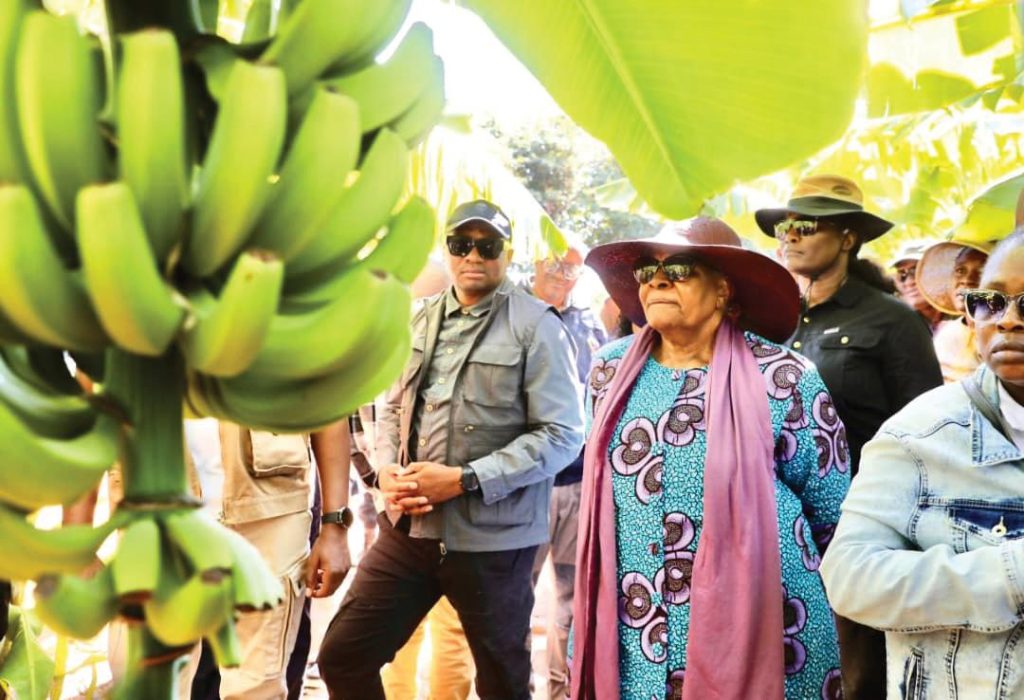
Meanwhile, the Etunda Green Scheme in the Omusati Region continues to expand its contribution to agricultural production and value addition. Ongoing trials involving more than 2,000 banana trees, together with grape production and the development of the Etunda Feedlot, illustrate efforts to diversify agricultural activities while creating employment and strengthening food production systems.
Collectively, these projects demonstrate the importance of the Green Scheme Programme in expanding irrigated crop production, supporting small-scale farmers and strengthening national food security. Beyond ensuring a stable food supply, agriculture contributes significantly to economic growth by creating jobs, generating income, supporting rural livelihoods and reducing dependence on imported food products.
As climate change, population growth and global supply chain disruptions continue to challenge food systems worldwide, investment in agriculture and irrigation infrastructure is becoming increasingly important. The progress recorded at green scheme projects across the country highlights the critical role agriculture continues to play in strengthening Namibia’s food security and supporting economic development.