

A MONTHLY WRAP-UP OF NEWS WORTH KNOWING
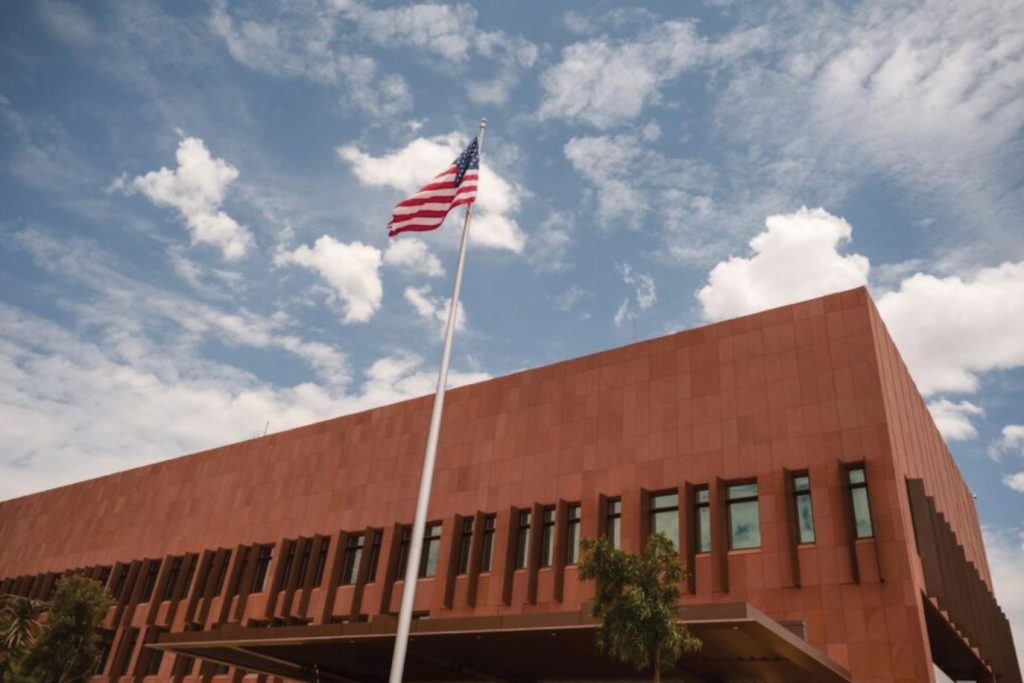
U.S. ENDS ROUTINE VISA SERVICES AT WINDHOEK EMBASSY, SHIFTS PROCESSING TO SOUTH AFRICA
The United States will stop processing routine visa applications at its embassy in Windhoek from 1 August 2026, requiring Namibian citizens and residents to apply through the U.S. Consulates in Cape Town or Johannesburg. The U.S. Department of State said the change is part of a broader restructuring of visa operations across Africa, shifting services to regional hubs to strengthen security screening, improve efficiency and better align resources with U.S. national interests. Applicants will need to book appointments and pay visa fees through the South African consulates. According to the Department, the regional hub model promotes more consistent screening, vetting and adjudication standards, and similar systems are already operating in several African countries and parts of Europe. The move is part of the Trump administration’s wider efforts to streamline government operations and enhance border security. The U.S. Embassy in Windhoek will remain open and continue its diplomatic, consular and bilateral functions, while guidance is being provided to affected applicants.
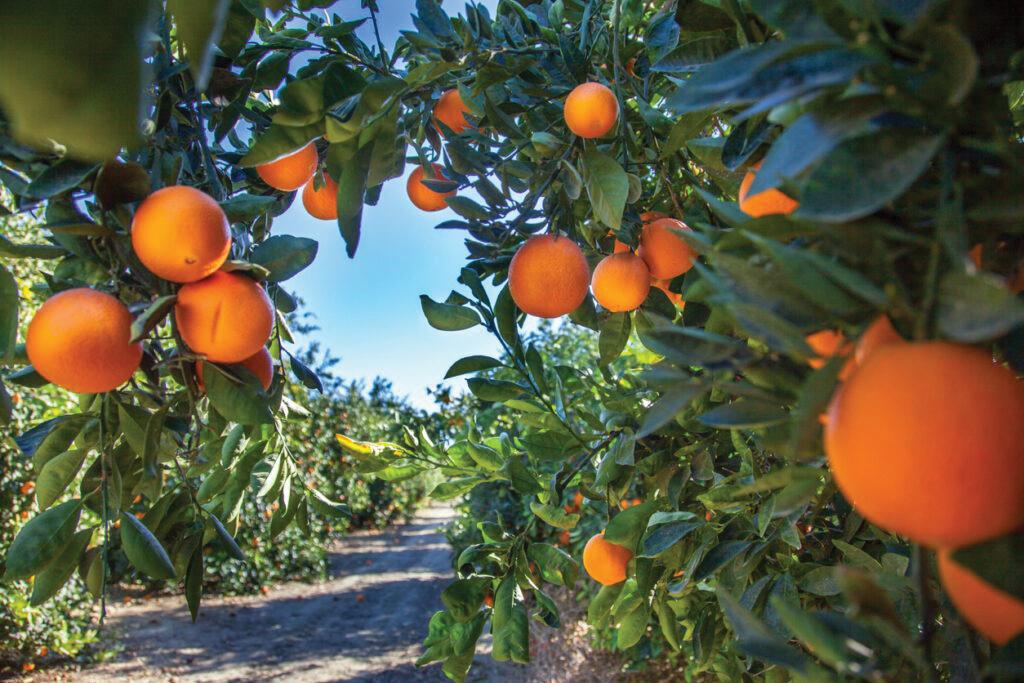
NAMIBIA IMPORTS 97% OF ITS FRUIT AS N$600,000 ENTRY COSTS STALL LOCAL PRODUCTION
Namibia imports about 97% of the fruit consumed locally, highlighting the country’s heavy reliance on foreign produce as high production costs, limited financing and inadequate infrastructure continue to hinder domestic horticulture. Speaking at an information-sharing session in Windhoek, Namibian Agronomic Board (NAB) General Manager Gilbert Mate Mulonda said commercial fruit production remains out of reach for many farmers, with orchard establishment costing between N$300,000 and N$600,000 per hectare. Limited agro-processing capacity, insufficient storage facilities and high transport costs further reduce the competitiveness of local produce. Potatoes also remain heavily imported, with about 70% of annual demand sourced from abroad at a cost of N$162 million. To reduce import dependence, the NAB is implementing support programmes across fruit, potato and grain value chains, including subsidies for orchard establishment and potato production, alongside free mentorship, capacity building and market access. The Board also aims to strengthen grain production through its irrigation support initiative.
NAMIBIA, SOUTH AFRICA SIGN SEVEN AGREEMENTS TO DEEPEN ECONOMIC COOPERATION
Namibia and South Africa have signed seven bilateral agreements aimed at strengthening cooperation in labour, aviation, legal affairs, public sector capacity building, correctional services, business development and gender equality. The agreements were concluded during the Fourth Session of the NamibiaSouth Africa Bi-National Commission, co-chaired by President Netumbo NandiNdaitwah and South African President Cyril Ramaphosa. The two leaders directed ministries and agencies to develop implementation plans with clear timelines to ensure measurable outcomes. Key agreements include a Bilateral Air Services Agreement, labour and legal cooperation memoranda, a partnership between South Africa’s National School of Government and NIPAM, and an Economic Partnership Agreement between the Namibia and South African chambers of commerce to promote trade and investment. Both countries also reaffirmed commitments to expanding regional value chains, industrialisation, mining, energy, agriculture, transport and water cooperation, including advancing the Kudu Gas Power Project and strengthening the Trans-Kalahari Corridor through regular progress reviews.
NOGC 2026 TO SPOTLIGHT LOCAL SUPPLIERS AS NAMIBIA’S OIL INDUSTRY SHIFTS TOWARDS DEVELOPMENT
The Namibia Oil and Gas Conference and Exhibition (NOGC) 2026 will take place in Windhoek from 18–20 August, bringing together government, investors, operators and local businesses to prepare for the country’s transition from offshore discoveries to project development. Hosted by the Economic Association of Namibia, the Namibia Investment Promotion and Development Board and the Hanns Seidel Foundation, the event will focus on investment, local content, workforce development and infrastructure under the theme, “From Decision to Dividend: Making Namibia’s Oil Work for Namibians.” A highlight will be the second NIPDB Local Content Pitching Session, where 15 Namibian businesses will present directly to operators and contractors for potential commercial opportunities. The programme also includes supplier development masterclasses, youthfocused skills initiatives, executive discussions on advancing offshore projects to production, and technical sessions covering exploration, infrastructure, technology and environmental management, with organisers aiming to deliver tangible business partnerships and long-term economic value.
NAMIBIA, SOUTH AFRICA LAUNCH BUSINESS COUNCIL TO DRIVE CROSS-BORDER INVESTMENT
The Namibia Chamber of Commerce and Industry (NCCI) and the South African Chamber of Commerce and Industry (SACCI) will launch the Namibia-South Africa Business Council to strengthen trade, investment and cross-border partnerships between the two countries. Established following a directive from the 2023 Namibia-South Africa BiNational Commission, the council aims to convert strong political ties into tangible commercial outcomes by promoting joint ventures, addressing trade barriers and expanding investment opportunities. The platform will provide businesses with a permanent mechanism to collaborate on market access, logistics, regional value chains and regulatory challenges. NCCI CEO Titus Nampala said the council is designed to deliver practical business results for both large companies and MSMEs, while SACCI President Mtho Xulu described it as a long-term forum for building stronger commercial relationships. The initiative also supports regional integration under the African Continental Free Trade Area by encouraging industrial cooperation and investment in sectors including green hydrogen, critical minerals, agro-processing and logistics.
KELP BLUE PLANS N$280M COMMERCIAL FACTORY AS PRODUCTION OUTGROWS PILOT PLANT
Kelp Blue plans to invest about €15 million (N$280 million) in a commercial-scale processing facility in Lüderitz as growing harvests and rising demand outstrip the capacity of its pilot plant. The new factory, targeted for completion by mid-2027, will increase processing capacity from the current 9,000 litres per day — expected to be optimised to 15,000 litres — to around 80,000 litres daily. In the interim, the company will invest €1 million to upgrade its existing facility to meet nearterm demand. Kelp Blue expects revenue to grow from €3 million this year to €5 million next year as production expands. The company is also investing in additional farm infrastructure, automation and expanded cultivation areas to support future growth, while exploring commercial uses for processing by-products. As part of its sustainability strategy, Kelp Blue continues working with Gold Standard to validate a methodology for measuring carbon sequestration from its seaweed farming operations.


