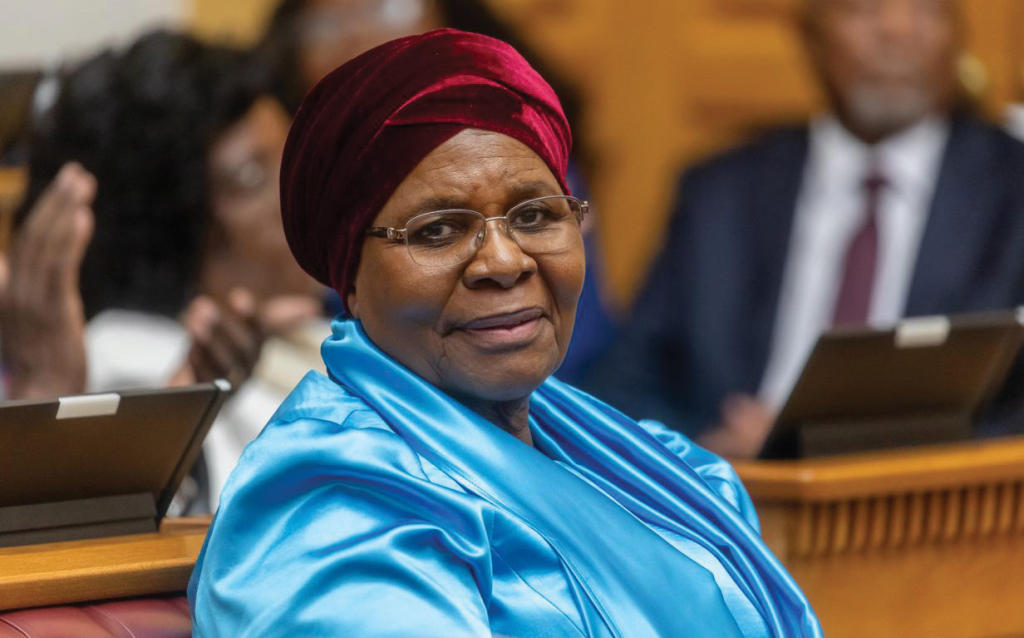
PRESIDENT NANDI-NDAITWAH NAMED AMONG THE WORLD’S 100 MOST INFLUENTIAL PEOPLE
President Netumbo Nandi-Ndaitwah has been named to TIME magazine’s 2026 TIME100 list, recognising the world’s most influential people for global impact. In a tribute, UNAIDS Executive Director Winnie Byanyima highlighted Nandi-Ndaitwah’s leadership and the often-overlooked role of African women in liberation struggles. She recalled the President’s involvement in Namibia’s independence movement in exile and her contribution to a democratic vision grounded in dignity, equality and shared prosperity. The tribute traces her journey from liberation activist to Foreign Minister and Namibia’s first female President. Internationally, she is recognised as a Global South voice advancing equity, justice and inclusive governance globally.
RED MEAT DIPLOMACY: WHY NAMIBIA MUST TREAT CATTLE LIKE CROPS
In her 2026 State of the Nation Address, President Netumbo Nandi-Ndaitwah reaffirmed value addition as central to Namibia’s economic future. Few sectors reflect this priority more than livestock.
The red meat industry supports nearly 70% of livelihoods, sustains over 57,000 jobs, and contributes up to 6.2% of GDP when processing is included. Yet Namibia continues to export large volumes of live cattle, effectively exporting jobs, processing opportunities, and foreign exchange.
Namibia already has a proven model. Through the Namibia Agronomic Board, the country protects domestic producers by restricting imports when local supply is sufficient, encouraging value addition and agro-processing. This pragmatic approach strengthened horticulture and farmer incomes.
The contradiction is obvious. Namibia shields vegetable farmers when supply is adequate, but allows cattle to leave the country unprocessed even when abattoirs have spare capacity. This is not a market failure, but a policy gap.
A Livestock Value Retention Scheme, modelled on the NAB approach, could address this. Threshold-based export controls, minimum value-retention requirements, seasonal flexibility, and incentives for local slaughter would ensure more cattle are finished and processed locally. A modest export levy could fund feedlots, cold-chain infrastructure, and communal area integration.
No country builds a strong export brand by exporting its value chain. If vegetables deserve protection, cattle—Namibia’s most strategic agricultural asset—deserve the same policy intelligence.

NAMPOWER LISTS N$5 BILLION NOTE PROGRAMME ON NSX
Namibia Power Corporation (NamPower) has listed a N$5 billion Domestic Medium-Term Note (DMTN) programme on the Namibia Securities Exchange, providing the utility with flexible access to domestic capital markets. The listing was arranged with Cirrus Securities and Nedbank Namibia as co-lead arrangers. The programme allows NamPower to issue multiple debt instruments, including green and sustainable notes, to support infrastructure and energy projects. Managing Director Kahenge Haulofu said the initiative strengthens funding efficiency and market development. The DMTN framework, developed over two years, supports varied tenors, currencies and investor participation while aligning with international sustainable finance standards.
STANDARD BANK NAMIBIA NAMED BEST INVESTMENT BANK IN NAMIBIA FOR 2026
Standard Bank Namibia has been named Best Investment Bank in Namibia at the 2026 Global Banking and Finance Awards, recognising its role in structuring transactions, mobilising capital and providing advisory services across key sectors of the economy. The bank has been actively involved in financing and advisory mandates in areas such as energy, infrastructure, mining and logistics. Head of Corporate and Investment Banking Nelson Lucas said the award reflects the commitment and resilience of the bank’s staff. Head of Investment Banking Marco Triebner said the recognition highlights the division’s focus on excellence, collaboration and innovation. The bank continues to support investment and economic growth in Namibia.