Enhancing Governance for Optimised Community Benefits
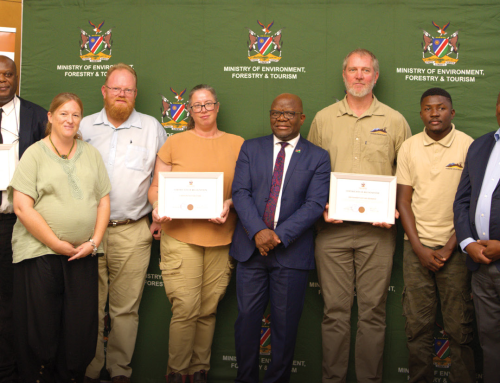
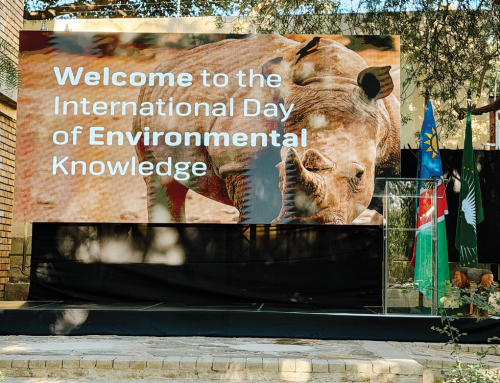
Namibia’s conservation community gathered for what Minister of Environment, Forestry and Tourism Indileni Daniel called an “important week in our calendar”. At the National Community-Based Natural Resource Management (CBNRM) Conference held on 25 March in Windhoek, the minister emphasised the link between conservation and Namibia’s fragile resources. She called for sustainable, science-based policies rooted in national interest. “CBNRM is a global example of how local livelihoods are supported through conservation. It is national and government supported. Its success is worth celebrating!”
CBNRM: A pioneering model
And indeed, its success is worth celebrating.
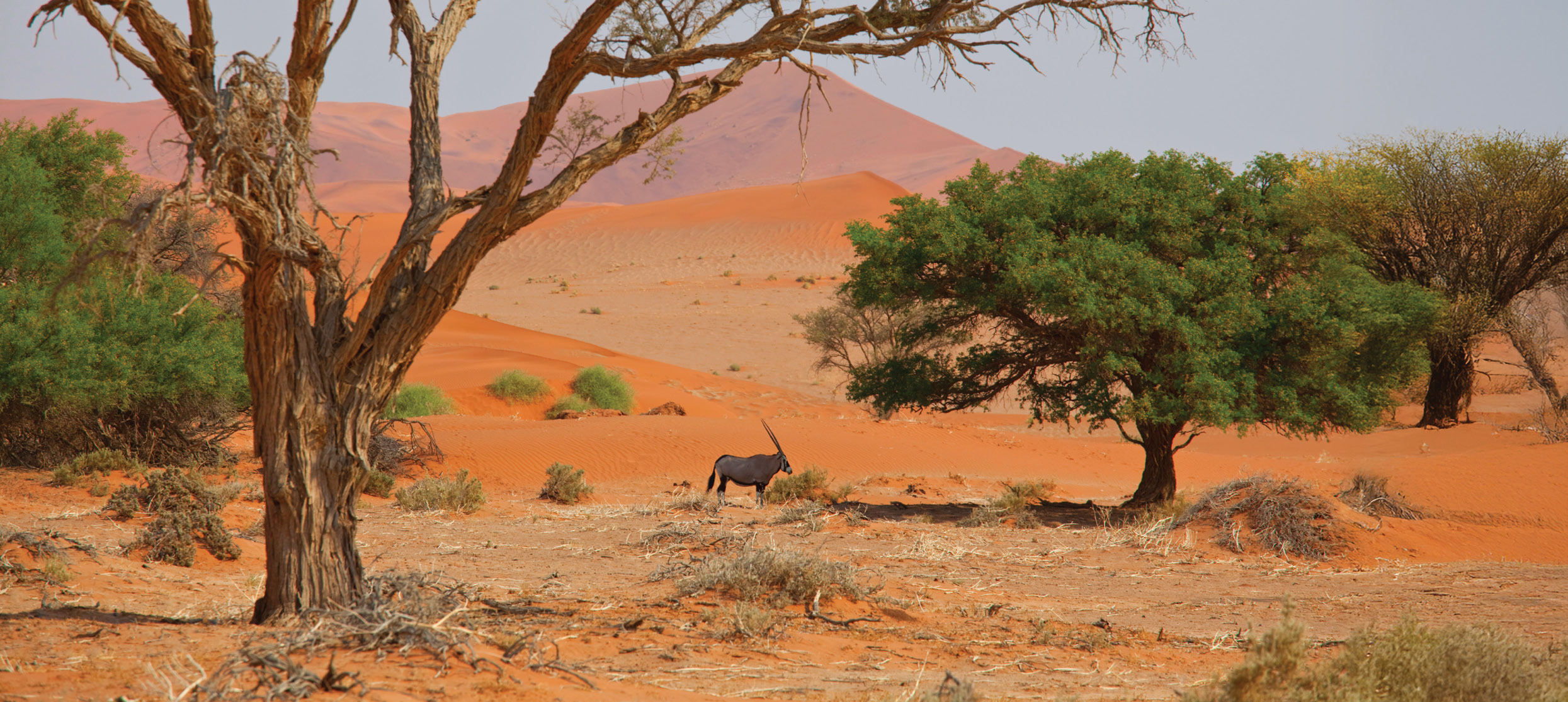
What began in the 1980s as a grassroots response by traditional leaders to rampant poaching, has grown into one of the world’s most recognised conservation models. Formalised through the 1996 legislative amendments that devolved rights over wildlife and tourism to communities, CBNRM has enabled a remarkable recovery of species that were once pushed to the brink. Today, Namibia stands apart as the only country where populations of freeroaming elephants, lions, cheetahs and even black rhinos thrive beyond the boundaries of formally protected areas.
Across the country, 87 registered conservancies and 48 community forests now span more than 186,000 square kilometres – over 60% of the communal land – supporting an estimated 244,587 residents. These landscapes are not only ecological strongholds but economic engines, generating over 2,000 jobs while funding community projects, from youth outreach initiatives to soup kitchens for the elderly. Women play a significant role in leadership and management, while measurable benefits, ranging from cash dividends to shared equipment, filter into rural households.
Yet, as the minister cautioned, “Success should not give way to complacency.”
Challenges such as land use conflicts, illegal harvesting of resources and the growing threat of wildfires remain persistent and complex. Gaps in governance and unequal distribution of benefits continue to test the system. One sentiment echoed through the sessions: this is a moment for “business unusual, not business as usual”, a call to reevaluate approaches and set clear objectives for the next 30 years.
The people’s voice
If there was a unifying thread throughout the conference, it was this: conservation must stay grounded at grassroots level, closest to the people it is meant to serve.
Despite the visible gains, the conference faced prickly questions. Delegates and partners alike repeatedly asked: “Where are the missing voices?” Too often, community members themselves remain absent from national conversations that directly affect their livelihoods. Discussions highlighted the need to move beyond broad generalisations and better understand impact at household and individual level.
Held over two days, the National CBNRM Conference created an important platform for updates, critique and collaboration. Yet many left with the shared hope that such dialogue will not remain confined to conference halls. Future platforms must continue to open space for deeper engagement, especially with representatives from conservancies themselves.
Namibia’s CBNRM programme remains a pioneering model. It has delivered tactile conservation and development successes over decades, but its future will depend on a willingness to listen more attentively, adapt more boldly and strengthen the systems that support it.
Madeleen Duvenhage