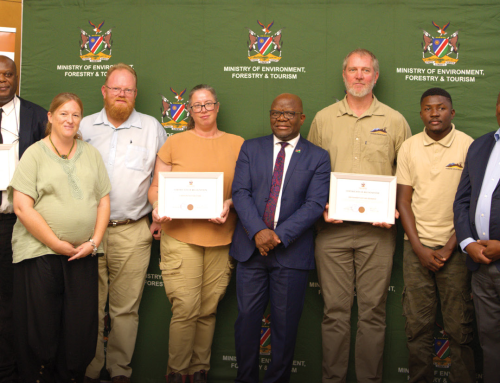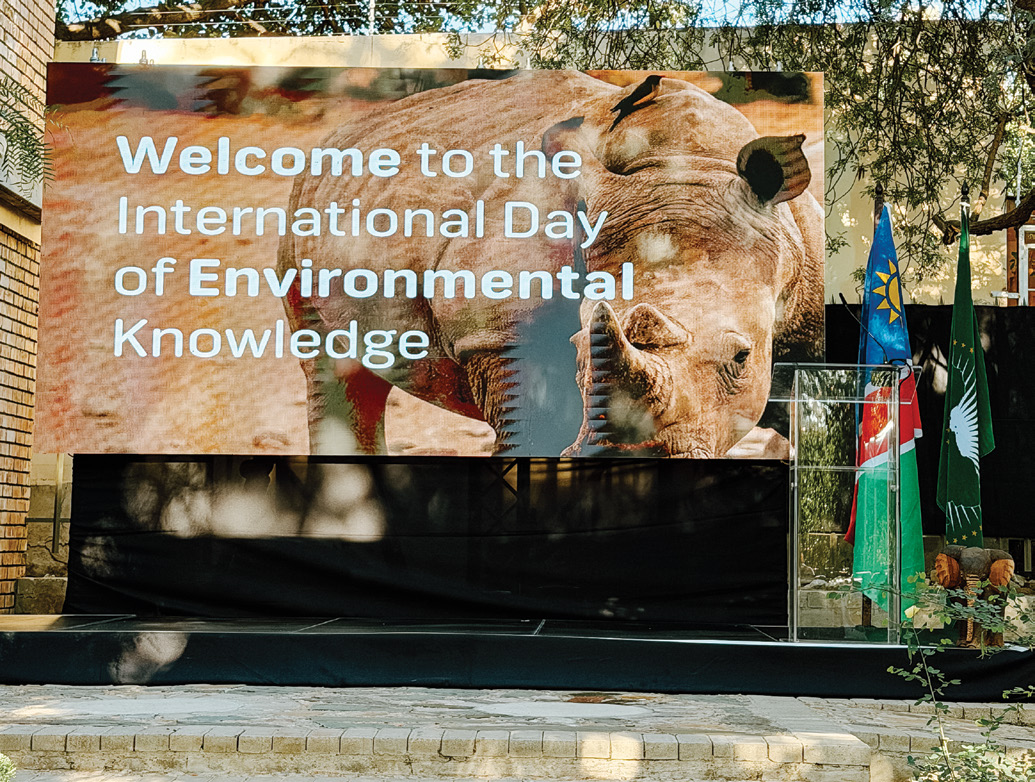
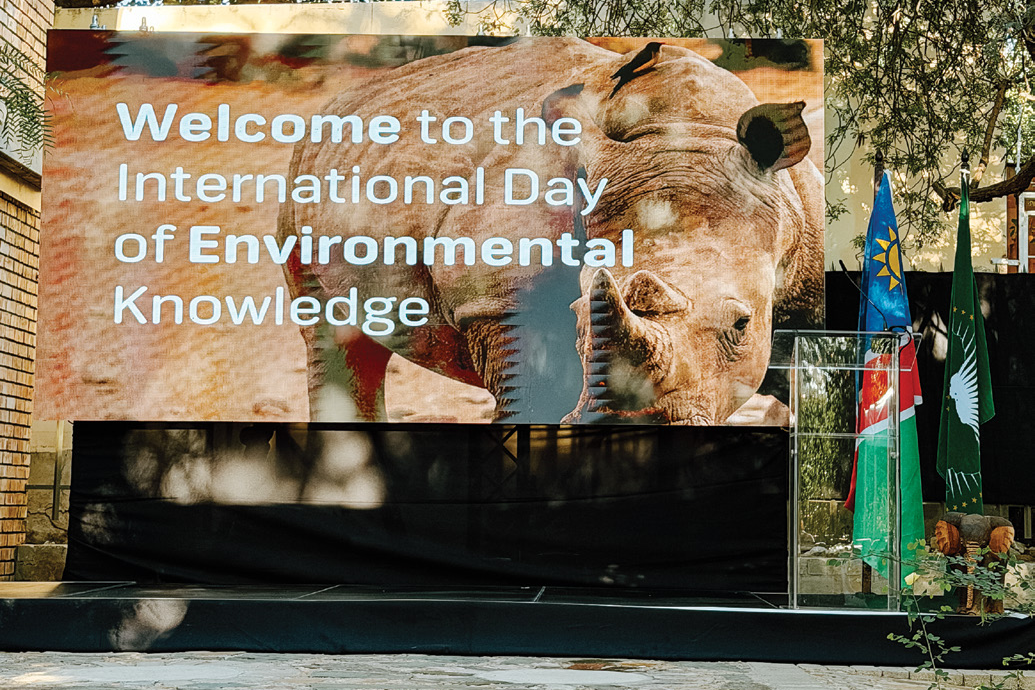
On a clear Windhoek morning, leaders from government, finance, conservation and community organisations gathered at the Community Conservation and Inspiration Hub for Environmental Knowledge Day – an event hosted by FNB Namibia through the FirstRand Namibia Foundation.
Under the theme “Driving Sustainable Impact Through Strategic Partnerships,” the gathering served as a reminder that Namibia’s environmental success story has always been built on collaboration.
From the outset, speakers reinforced Namibia’s position as a global example of conservation done right – particularly through community-based models that empower people living closest to natural resources.
Maxi Louis, CEO of the Namibia Association of Community-Based Natural Resource Management Support Organisations (NACSO), highlighted the importance of shared knowledge and community ownership in protecting Namibia’s natural heritage. “Knowledge is only powerful when shared, applied and used to uplift communities,” she emphasised, reminding attendees that conservation in Namibia extends beyond wildlife to critical areas such as water security, food production, energy and waste management.
For the FirstRand Namibia Foundation, environmental stewardship forms part of a broader national investment strategy. Trustee Clara Bohitile shared that the Foundation has invested over N$120 million across education, health, culture and environmental programmes over the past decade – including N$18.2 million specifically directed towards environmental guardianship initiatives.
But the message of the day was clear: funding alone is not enough. Impact happens through partnerships.
Daniel Motinga, CEO of RMB Namibia, reflected on the growing role of finance in sustainability, noting that environmental responsibility is no longer a peripheral concern for investors – it is central to long-term economic resilience. “Sustainability is not just an environmental issue,” he explained. “It is a developmental and societal issue – an economic necessity.” That sentiment was echoed by Honourable Indileni Daniel, Minister of Environment, Forestry and Tourism, who stressed that Namibia’s environmental challenges – from drought to floods – are no longer distant threats, but present realities requiring coordinated national action.
Environmental sustainability is not the responsibility of one sector alone,” she said. “It is a collective national endeavour.”
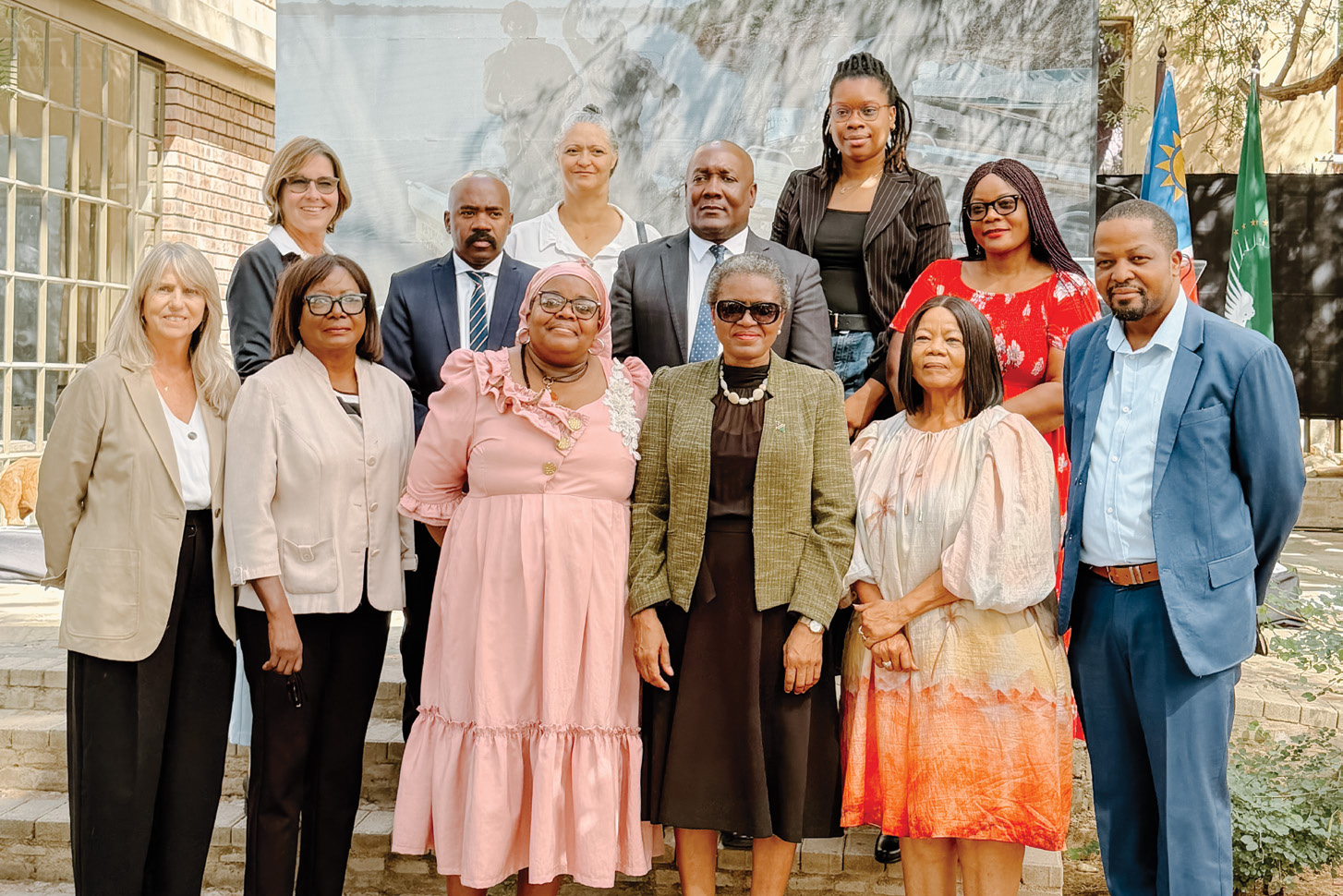
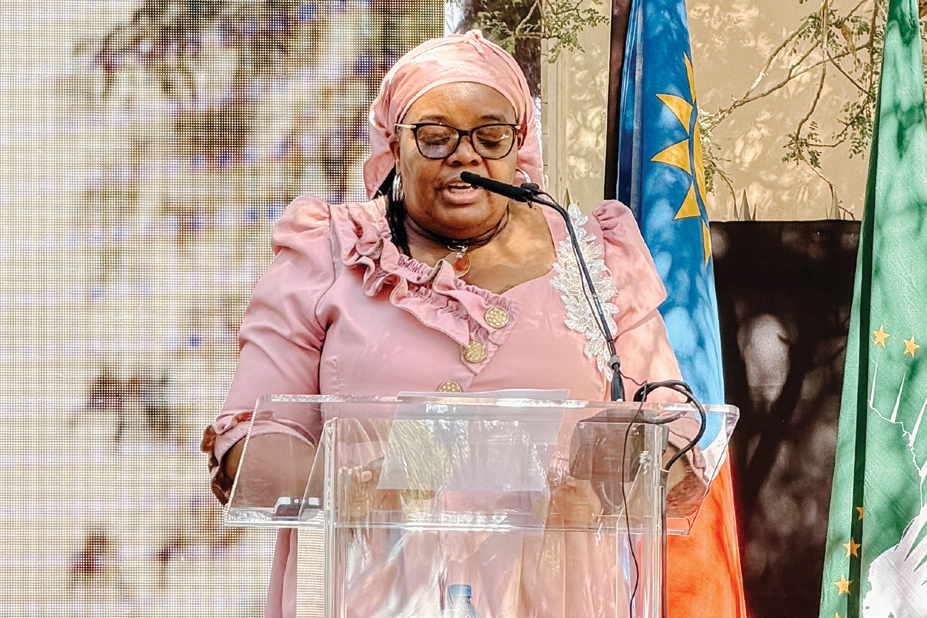
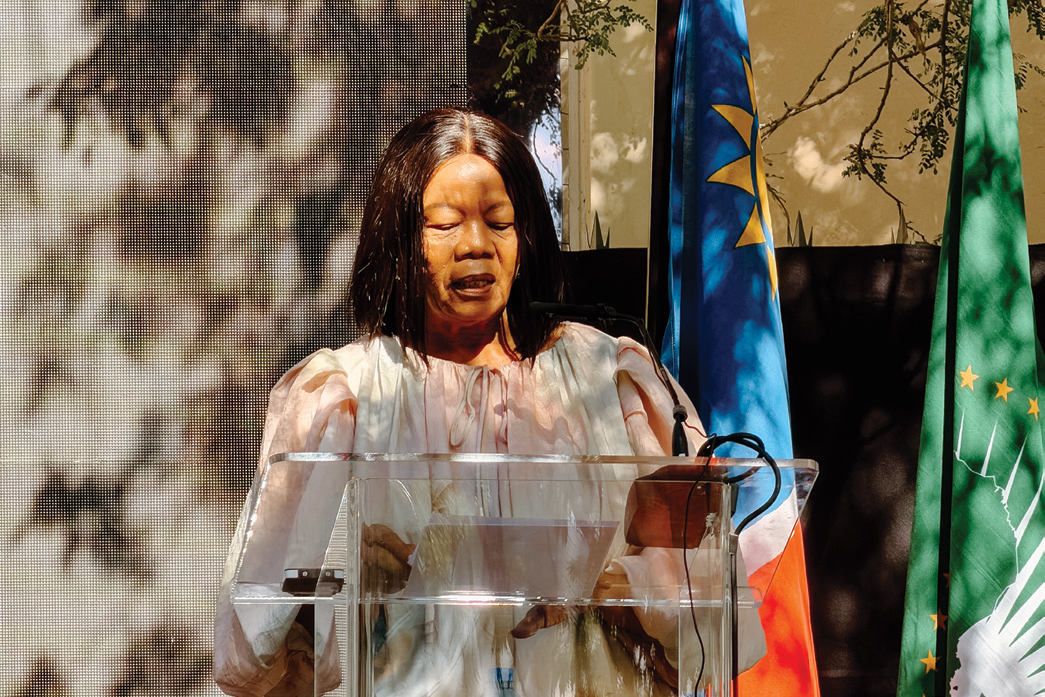
“Environmental sustainability is not the responsibility of one sector alone,” she said. “It is a collective national endeavour.”
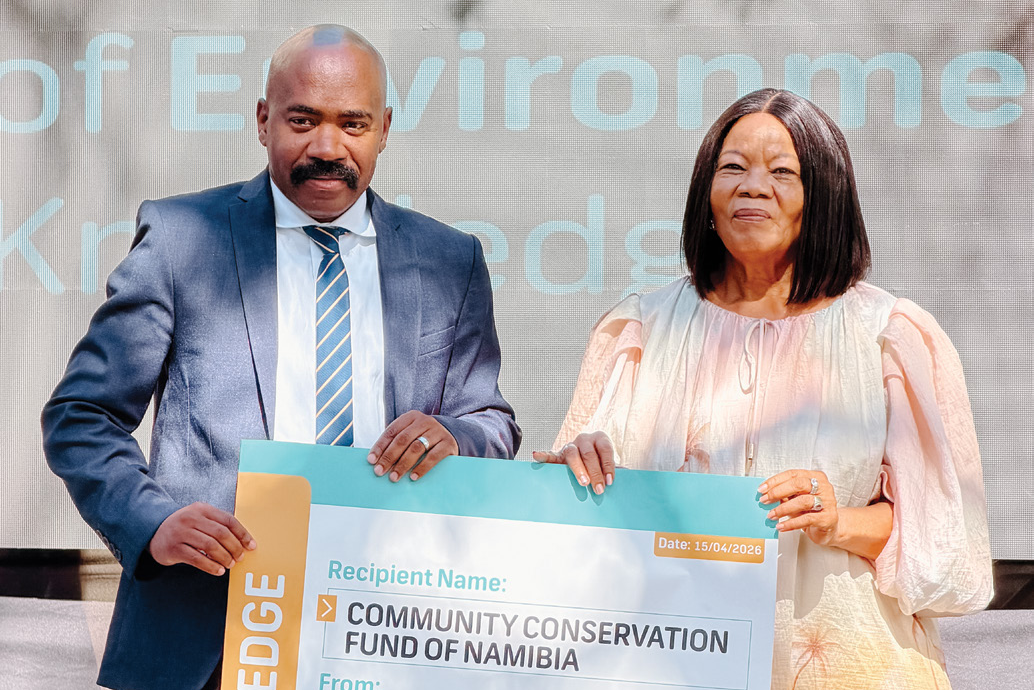
One of the day’s most significant moments came with the announcement of support for the Wildlife Credits initiative, led by the Community Conservation Fund of Namibia (CCFN), to which the FirstRand Foundation has committed a sum of N$ 4 million to be implemented over a four year period. CEO Pandeni Kapia described the programme as a transformative model that rewards rural communities for protecting wildlife habitats – recognising conservation as both an ecological and economic investment. Namibia’s community conservancies now cover more than 16 million hectares, representing nearly 20 percent of the country’s land, and continue to generate meaningful national income through conservation-linked activities.
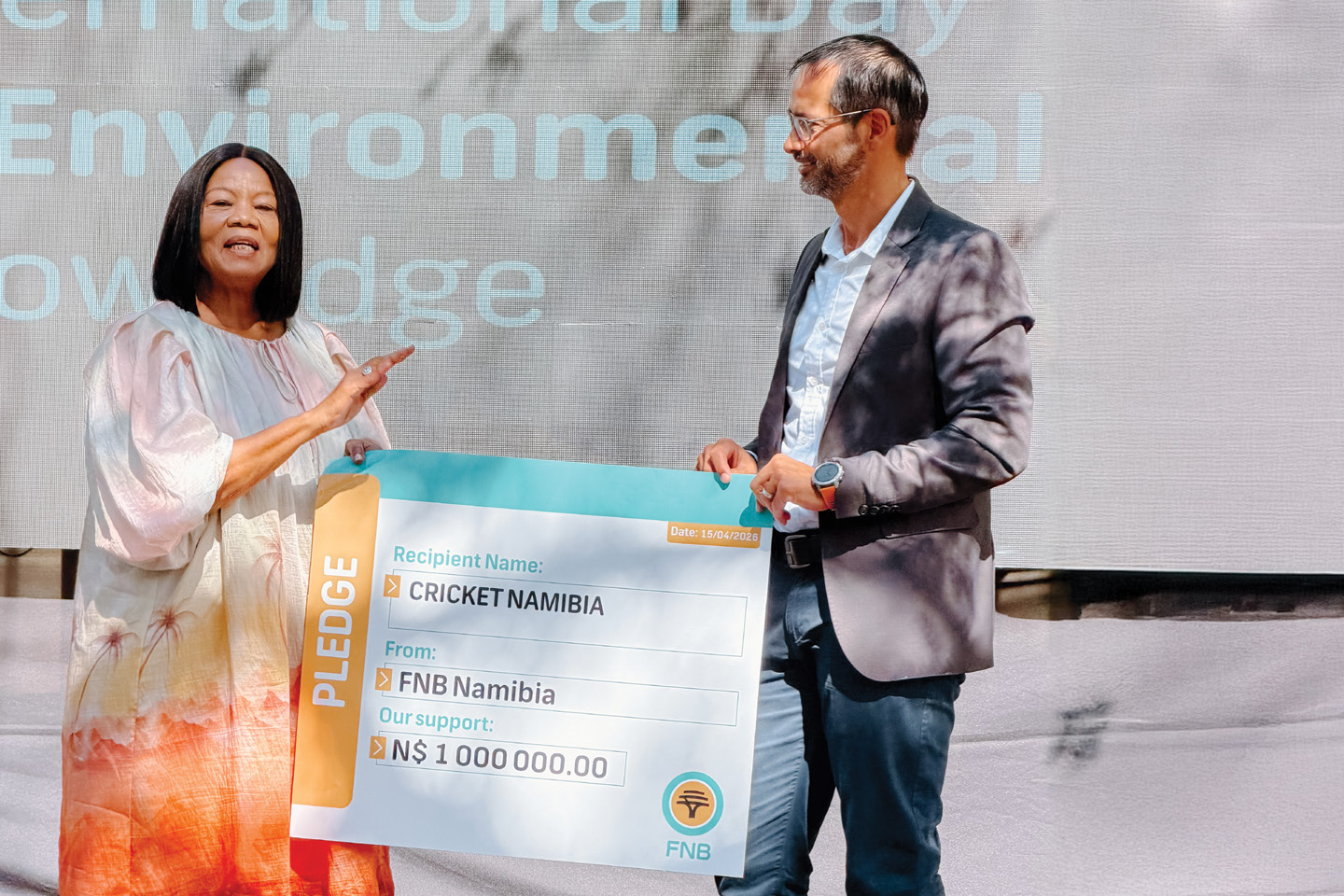
The event also celebrated innovation beyond traditional conservation spaces, highlighting initiatives such as Cricket Namibia’s recycling programme, which demonstrates how sustainability can be embedded into everyday life – even in sport.
As conversations concluded and networking began, one message lingered in the room: Namibia’s future will be shaped not by isolated action, but by partnerships that bridge communities, finance, conservation and government.
FNB’s Environmental Knowledge Day served as both a celebration of progress and a call to action – reminding all involved that Namibia’s natural heritage remains one of its greatest national assets, and one that must be protected through shared responsibility.
Elzanne McCulloch